Exploring Heritage: Planning Trips with Grandchildren
Chosen theme: Exploring Heritage: Planning Trips with Grandchildren. Welcome to a warm corner of travel and memory, where maps meet family stories and young eyes light up at old places. Together, we will plan journeys that connect generations, celebrate roots, and create keepsake moments you will talk about for years. Share your family’s origin town in the comments and subscribe for future heritage trip prompts and printable planning checklists.

Why Heritage Journeys Matter
Children remember what they can touch and see. Standing outside a great‑grandparent’s school or tasting bread from a traditional bakery gives them a sensory memory of their story. This belonging anchors curious minds, making family history feel both exciting and reassuring.

Co‑Planning With Curious Kids
Map Night at the Table
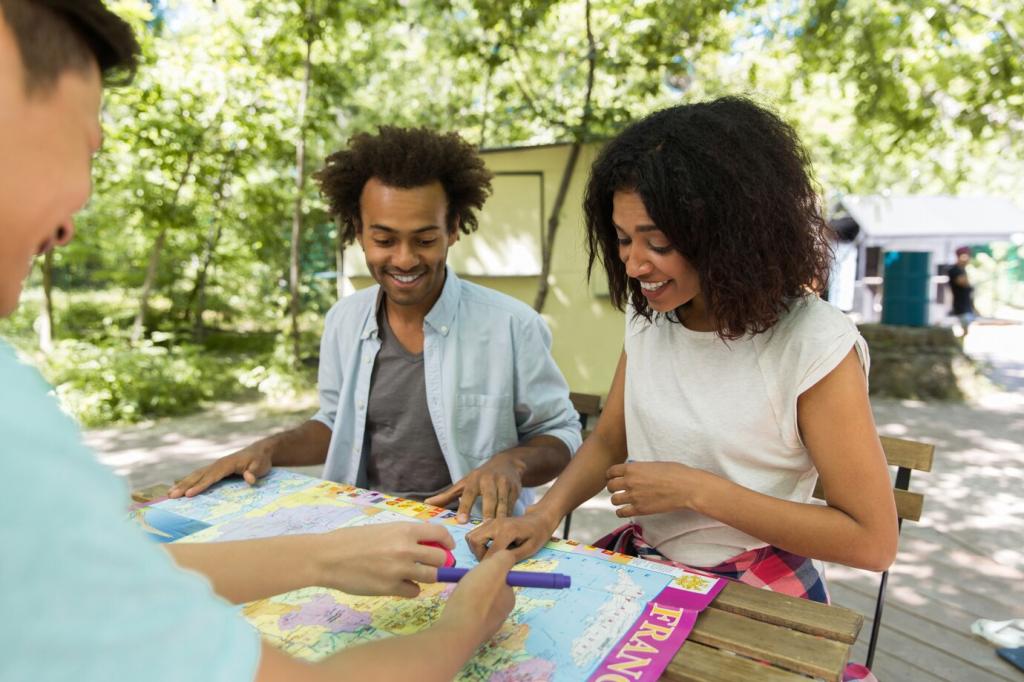
Print a simple map and add stickers for each family place: hometowns, arrival ports, old streets. Ask kids to choose colors and draw connecting routes. The visual route sparks questions and gives children agency, turning planning into a creative, memory‑making ritual.
Question Cards for Elders
Have kids write questions on index cards for relatives: favorite school game, first job, street name, holiday traditions. Bring the cards on the trip and record answers on your phone. Invite readers to share their favorite family questions in the comments for everyone’s inspiration.
Let Them Pick an Anchor Activity
Balance archival stops with a child‑chosen anchor: a park by the old neighborhood, a gelato shop near the church, a mural walk. When kids see their choices honored amid heritage stops, they invest more attention and pride in the family research journey.
Finding Places and Records That Matter
Email a town archive or parish office in advance with surnames, approximate dates, and spellings. Many staff members are delighted to help visiting families. Share your gratitude, ask for child‑friendly suggestions, and plan short visits with breaks so kids associate research with curiosity, not fatigue.

Activities That Bring Ancestry Alive
Visit a local market to source ingredients your ancestors might have used. Cook together in a rental kitchen, measuring with wooden spoons and telling stories while the pot simmers. Ask kids to name the dish and design a playful recipe card you can share with subscribers later.
Activities That Bring Ancestry Alive
Turn a regional museum into a game: find three tools your great‑grandparent might have used, a map of the migration decade, and one object that surprised you. Offer small notebook rewards and invite readers to comment with their favorite scavenger prompts for future families.
Slow Rhythm, Happy Travelers
Schedule one deep heritage activity a day, plus gentle exploration. Add quiet afternoons for journaling or playground time. Kids engage more when they are not rushed, and grandparents enjoy the added space to tell stories without watching the clock or fretting about schedules.
Budget Tips That Preserve Joy
Use family rail passes, city museum bundles, and off‑peak hours. Choose lodgings with kitchens to save on meals and enable heritage cooking nights. Share your favorite budget hack in the comments so other families can stretch resources without trimming meaningful experiences from their itinerary.
Accessibility and Comfort
Check stairs, cobblestones, and elevator access before you go. Pack a small foldable stool for rests during neighborhood walks. Book rooms close together and confirm quiet hours. These small adjustments protect energy and keep the focus on discovery instead of physical strain or logistical surprises.

Journals With Gentle Prompts
Give each traveler a notebook with prompts: the smell I will remember, a window I loved, a person who helped today. Encourage grandchildren to sketch as well. Invite subscribers to download our upcoming printable prompt set to start their own intergenerational journaling tradition.
Audio Stories on the Go
Use a phone to record short interviews on benches or cafe corners. Ask elders to narrate a memory linked to the spot. Later, create a simple audio album so children can hear familiar voices again, preserving tone, laughter, and pauses that photos alone cannot capture.
Family Tree Meets Travel Map
Print a branching family tree beside a map marked with your route. After each stop, add dates, photos, and a sentence about what you learned. Kids love placing stickers, and the visual record becomes a conversation starter for cousins who will want to join next time.
Respectful, Honest Storytelling
Learn a few words in the local language, follow etiquette at places of worship, and ask for permission before photographing private spaces. Explain to kids why respect matters, especially when visiting communities that held your ancestors and continue to hold their living stories today.
Choose local guides, independent eateries, and community museums. These choices turn your visit into a contribution rather than a transaction. Encourage grandchildren to say thank you meaningfully, and share in the comments your favorite local organizations other heritage travelers should know about.
If your family story includes migration, hardship, or displacement, share the truth gently. Use clear language and let children ask questions. Emphasize resilience and helpers, guiding young travelers to understand difficult history without fear, while honoring those who lived through it.
A Three‑Day Heritage Mini‑Itinerary
Settle in, visit a neighborhood square, and try a traditional snack. Share one family photo on a park bench and invite kids to notice details. End with an early night and a bedtime story about the ancestor connected to tomorrow’s first stop.
A Three‑Day Heritage Mini‑Itinerary
Morning at the archive or parish office with prearranged documents, followed by lunch near the old family street. Afternoon walking tour with breaks for sketching doors and windows. Evening recipe night, cooking together while grandparents recount how these flavors shaped celebrations long ago.